
For renovation grants, the certified energy performance certificate proves that the investment actually improves the building's energy efficiency. That means surveying the current condition first, then recalculating the building with the same methodology after the works.
In Székesfehérvár and the 70 km area I take the process from the on-site visit to an upload-ready certificate. Grant rules change; the professional content of certification does not: a measurable baseline, a transparent calculation, and a verifiable result.
Renovation grants, end to end
Three typical situations where certification is part of the grant — from the façade through the renewable system to upload-ready documentation.
Home energy renovation
Two measurements: the starting condition and the completed investment
Home energy-efficiency grants do not account for the amount on contractors’ invoices, but for the calculated energy savings. Façade, attic or plinth insulation, window replacement, boiler replacement or heat-pump heating — these count only if the building envelope and the mechanical systems together improve the building’s primary energy demand.
That is why a baseline certificate is prepared for the starting condition, and a follow-up certificate after the works. The two documents use the same methodology, so it can be checked whether the planned package actually meets the requirement.
During the on-site visit I record, among other things:
- the layer structure of the building envelope and the condition of the windows and doors,
- the type, age and output of heating and domestic hot water,
- ventilation, solar exposure and the geometry of the building.
The grant intensity of each scheme changes from time to time; the task of certification remains the certified proof of energy performance.

Grants — Solar
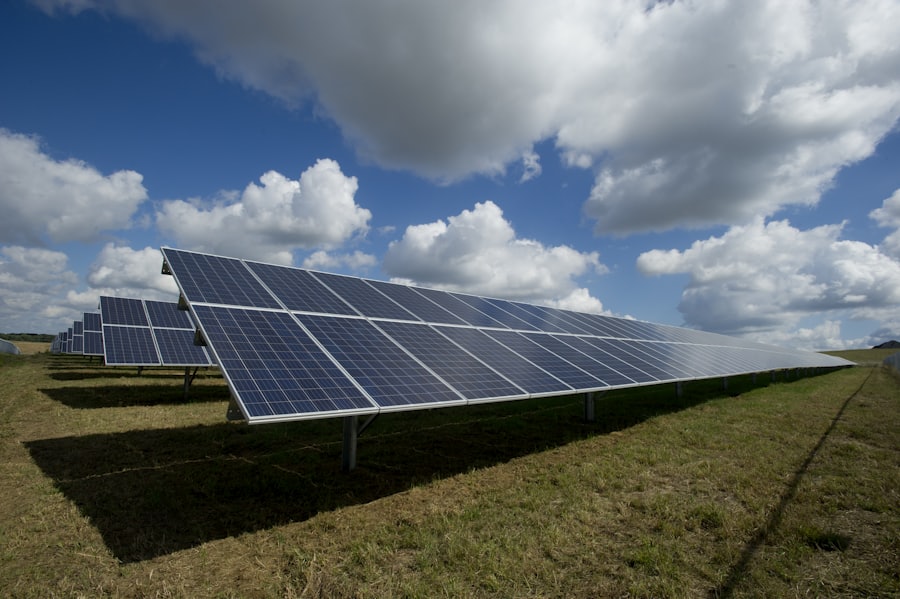
Solar and renewable energy
The calculation proves the savings, not the equipment manual
Solar panels, a heat pump or solar collectors are not a grant result on their own: the savings are shown by the building’s full energy model. The modules’ rated output or the inverter datasheet does not replace the calculated reduction in primary energy, especially if heat loss through the structures remains high.
In the certificate the renewable system appears together with heating, hot-water production and electricity demand. That is how it becomes clear whether the investment is sized for self-consumption, grid feed-in or replacing heating energy — and whether it is enough on its own, or only meets the scheme’s step together with envelope improvements.
It is common to combine solar with a heat pump or window replacement. I calculate these not as three separate quotes but as one building, so that the grant application does not contradict the planned and certified condition.
Grants — Documentation
Grant documentation
Visit, calculation, certification — on time
Grant uploads require not a sketch but a certified energy performance certificate: a calculation based on on-site data, with an identifier entered in the register. Floor plans, mechanical-system documentation and a list of planned interventions speed this up before the visit; I fill in missing data on site rather than guessing later at the desk.
After the survey the certificate is typically ready within 1–3 working days, in upload-ready form. If the scheme also requires closing documentation, the second calculation records the completed investment — with the same geometry, and the structures and equipment actually installed.
In Székesfehérvár and the 70 km area I handle the visit, the calculation and certification from a single source. I hand over the finished file for the grant portal; the grant contract and reporting remain the applicant’s (or the grant writer’s) task.